
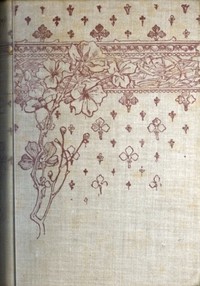
Ten years of missionary work among the Indians at Skokomish, Washington…
Myron Eells was a young Congregationalist missionary when he arrived at the Skokomish Reservation in Washington in 1874. This book is his detailed report, covering a decade of his life's work. It's structured as a yearly chronicle, mixing personal observations with official records.
The Story
The story follows Eells as he tries to establish a Christian community. He describes building a church and a school, translating scriptures into the local language, and the daily grind of missionary life—holding services, visiting families, and dealing with often-scarce resources. He writes about successes, like a growing congregation, and immense frustrations, like the persistent influence of traditional spiritual practices he's trying to replace. The "plot" is the slow, often painful process of cultural change. We see the U.S. government's policies, like allotment of land, playing out in real time, and Eells is right in the middle of it, acting as both a spiritual guide and an agent of assimilation.
Why You Should Read It
You should read this because it's an unfiltered primary source. Eells isn't writing for a modern audience; he's justifying his work to his sponsors. That makes his account incredibly revealing. His sincerity is clear—he genuinely believed he was doing good. But reading between the lines, you see the profound disconnect. He celebrates when people abandon their longhouses for his church, unaware (or unwilling to acknowledge) the loss that represents. The value for a modern reader is in this tension. It’s a chance to witness a pivotal and painful era not from a history textbook's overview, but from the ground level, through the eyes of a deeply committed yet flawed participant. The Skokomish people are central to the narrative, and their responses—from acceptance to resistance—give the story its real weight.
Final Verdict
This book is a must-read for anyone interested in the messy, human reality of Pacific Northwest history, the complexities of missionary work, or the forces that shaped Native American communities after the treaties. It's not a light read, but it's a profoundly important one. Perfect for history buffs who want to go beyond dates and battles, and for readers who appreciate primary sources that don't shy away from uncomfortable truths. Approach it with curiosity and critical thinking, and you'll find a story that challenges simple judgments and stays with you long after the last page.
This publication is available for unrestricted use. Feel free to use it for personal or commercial purposes.
Paul Lewis
1 year agoNot bad at all.

Steven Scott
1 year agoThe fonts used are very comfortable for long reading sessions.