eBooks
91 Books foundAbout the ASAMB Public Domain Literature Library
The ASAMB Public Domain Literature Library offers a curated collection of 91 public-domain historical novels, all freely available for reading. This catalogue presents works ranging from ancient epics to modern war narratives, drawn from the Project Gutenberg archive. Each entry includes a scholarly editorial note that provides context, describes narrative techniques, and suggests entry points for new readers.
How to Browse
Readers may explore the library through four thematic categories, each with a dedicated guide that explains the grouping, recommends three books, and notes the category's limitations. Alternatively, use the full book list to browse by author, title, or period. Each book page offers a detailed record with keywords, a target-reader note, and a catalogue note that summarises the editorial commentary.
Book-Record Information
Every book entry includes the title, author, digital source (Project Gutenberg), keywords, and a target-reader description. The catalogue note serves as a short editorial essay, focusing on narrative structure, imagery, and how the work connects to its historical context. Hyperlinks lead to the full text on Project Gutenberg.
Source Attribution
All texts are sourced from Project Gutenberg, a trusted repository of public-domain literature. The catalogue does not host the texts but provides annotated guides that direct readers to the free editions. Attribution is given for each work, including translators and illustrators where applicable.
Categories Overview
The four categories are: Ancient Worlds (ancient and modern historical settings), Medieval Stories (medieval and pseudo-medieval tales), Modern History Fiction (diverse historical periods focusing on societal customs), and War Society (works centred on warfare). These groupings help readers navigate by interest but are not strict: many books span multiple themes.
Three Practical Reading Paths
Path 1: Roman and Ancient History – Begin with Aurelian; or, Rome in the Third Century (a letter-based novel), then The Martyr of the Catacombs (early Christian Rome), and finish with A Victor of Salamis (Greek-Persian wars). This path follows the decline of classical empires.
Path 2: The American Frontier – Start with The Deerslayer (Cooper's frontier novel), move to The Last of the Mohicans (French and Indian War), and end with The Little Shepherd of Kingdom Come (Civil War Kentucky). This path traces America's expansion and conflict.
Path 3: European Revolutions – Read A Tale of Two Cities (French Revolution), then Vittoria — Complete (Italian 1848 uprising), and finally La Vendée (royalist revolt in France). These works explore the personal and political dimensions of revolutionary change.
Bibliographic dates and catalogue measurements
The catalogue distinguishes the Project Gutenberg digital release from a work’s original or first publication. Project Gutenberg is identified as the digital source for the edition available here; its release year is therefore shown as Gutenberg Release Year, not as the work’s original publication year.
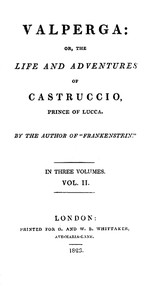
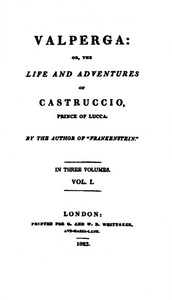
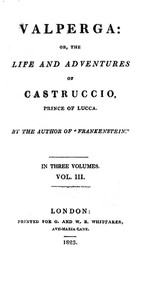
When an explicit first-publication or issue date can be supported directly by the title or issue information, it may be shown separately as First Publication Year. When that date cannot be confirmed, the catalogue displays Not confirmed rather than guessing a year.
Where the source text can be measured reliably, the catalogue may provide word count and estimated reading time. These measurements describe reading scope and are not quality rankings.
The current catalogue contains 4 active subject categories: Ancient Worlds, Medieval Stories, Modern History Fiction, and War Society. Categories are browsing aids and may overlap where a work reasonably fits more than one subject.
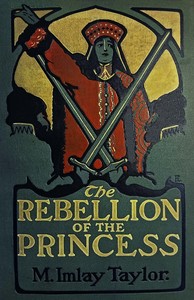
- Featured
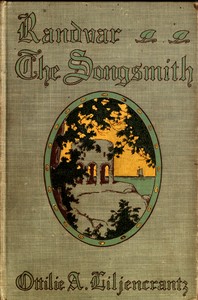
- Featured